
Richmond Fellowship of Hong Kong: Treatment-Resistant Depression Round Table Discussion
Published on Sep 23, 2026
Turning a Medical Dialogue into an Accessible and Compelling Public Mental-Health Issue

Project Overview
Project | Details |
|---|---|
Client | Richmond Fellowship of Hong Kong |
Project | |
Event date | 5 November 2025 |
Our role | Public relations and communications consultant |
Scope of work | Communications strategy, media-angle development, media invitations, on-site media liaison and follow-up interview coordination |
Target audiences | The public, the media, healthcare and social-welfare professionals, policymakers, people living with depression, and carers |
Background
It is estimated that approximately 300,000 people in Hong Kong were living with depression, including around 54,000 with treatment-resistant depression. This generally refers to depression that has not improved sufficiently after at least two appropriate courses of antidepressant treatment.
People living with treatment-resistant depression may experience recurrent or persistent symptoms, an elevated risk of suicide, impaired social functioning and a greater need for healthcare support. The condition can have a profound effect not only on individuals, but also on their families, the wider community and Hong Kong’s healthcare system.
In response to Hong Kong’s growing mental-health challenges, the organisation held the inaugural Hong Kong Treatment-Resistant Depression Round Table Discussion on 5 November 2025. The event brought together representatives from the medical, social-welfare and policy sectors, alongside carers and people with lived experience of mental-health recovery, to examine the treatment and support challenges faced by patients.
A Multidisciplinary Dialogue
The roundtable brought together representatives from the medical, social-welfare and policy sectors, as well as people with lived experience of mental-health recovery. Participants included:
Dr Tik Chi-yuen, the Legislative Council member for the Social Welfare constituency
Professor Sandra Chan Sau-man, Clinical Professor, Department of Psychiatry, The Chinese University of Hong Kong
Dr Renee Chiu, Executive Committee Member of Richmond Fellowship of Hong Kong and Lecturer in the Department of Social Work at The Chinese University of Hong Kong
Dr Nelson Kong Wai-yin, Clinical Psychologist at Richmond Fellowship of Hong Kong
Ms Sou Ka-pou, Senior Manager and experienced social worker at Richmond Fellowship of Hong Kong
Representatives of people in mental-health recovery and carers
Participants explored how treatment options and support networks could be improved from the perspectives of clinical care, community support, carers’ needs and public policy.
Core Strategy
We did not simply promote a one-off event. We helped the organiser transform a multidisciplinary discussion into an accessible and compelling public mental-health issue, laying the groundwork for future policy discussions and cross-sector advocacy.
Challenges and Our Approaches
Radiance PR was appointed as the project’s public relations and communications consultant.
Before the event, we participated in preparatory meetings with psychiatrists, social-welfare representatives, the organiser and other project stakeholders. We helped clarify the core messages, identify relevant news angles and establish the priorities for external communications.
Communications Challenges | Our approaches |
|---|---|
The general public might not readily understand the definition and implications of treatment-resistant depression. | We translated specialist information about treatment-resistant depression into accessible public messaging. We also explained why the issue deserved wider public and institutional attention, laying the groundwork for future policy discussions and cross-sector advocacy. |
A one-off professional forum can struggle to generate lasting public interest. | We arranged follow-up feature interviews to extend media coverage and encourage continued public discussion after the event. |
News, healthcare, medical and social-welfare media required different editorial angles. | We matched appropriate spokespeople and story angles with each publication’s audience and editorial focus. |
Project Outcomes
1. Translating medical information for the public
We presented the definition of treatment-resistant depression, its treatment challenges and patients’ support needs in clear and newsworthy language.
2. Building multidisciplinary consensus
We helped the organiser consolidate the principal outcomes of the discussion. Perspectives from the medical, social-welfare and policy sectors, together with the experiences of people in recovery, were distilled into five clear recommendations.
3. Targeting relevant news media
We approached news, health, medical and social-welfare media according to the nature of the issue. Interview angles and spokesperson combinations were tailored to the audiences and editorial positioning of individual outlets.
4. Extending media attention beyond the event
In addition to managing media relations on the day, we coordinated follow-up feature interviews with psychiatrists, experienced social workers, people in recovery and carers. These interviews presented treatment-resistant depression in Hong Kong from a range of professional and lived-experience perspectives.
Five Key Advocacies
The views of participating experts and stakeholders were consolidated into five principal recommendations:
Address the data gap: Establish a clearer definition of treatment-resistant depression and introduce official data collection to monitor the situation and evaluate the effectiveness of related policies.
Increase resources and improve the treatment pathway: Provide recurrent funding for innovative treatments, psychological therapies and community support, while establishing clear treatment pathways and case-management systems.
Strengthen the community safety net: Expand community mental-health teams and provide additional respite services for carers, employment support and peer counselling.
Promote cross-departmental collaboration: Strengthen cooperation across the healthcare, social-welfare and employment-support sectors. Public education should also be used to reduce stigma and foster a more accepting and supportive society.
Create mentally healthy workplaces and learning environments: Develop supportive workplaces and educational settings while helping people in recovery reintegrate into society.
Highlighted Media Coverage
Media Outlets | Headlines | Date |
|---|---|---|
(An Estimated 300,000 People Live with Depression; 80% of Patients have Experienced Suicidal Thoughts) | 5 November 2025 | |
Metro Radio | (Patients with Treatment-Resistant Depression face a Higher Risk of Suicide and Need Greater Support) | 5 November 2025 |
Hong Kong Commercial Daily | (Hong Kong Treatment-Resistant Depression Roundtable Focuses on Treatment Challenges and the Social Burden) | 5 November 2025 |
Hong Kong Economic Journal | (Hong Kong has 300,000 People with Depression, Including More Than 50,000 with Treatment-Resistant Depression) | 9 November 2025 |
Medical Inspire | 【抑鬱症】港抑鬱症患者高達30萬,逾5萬人試兩種治療法仍未見效! (More Than 50,000 People in Hong Kong Have Not Responded to Two Forms of Treatment; Richmond Fellowship Calls for Earlier Intervention) | 7 November 2025 |
TVB | 最強生命線 (Vital Lifeline) | 15 April 2026 |
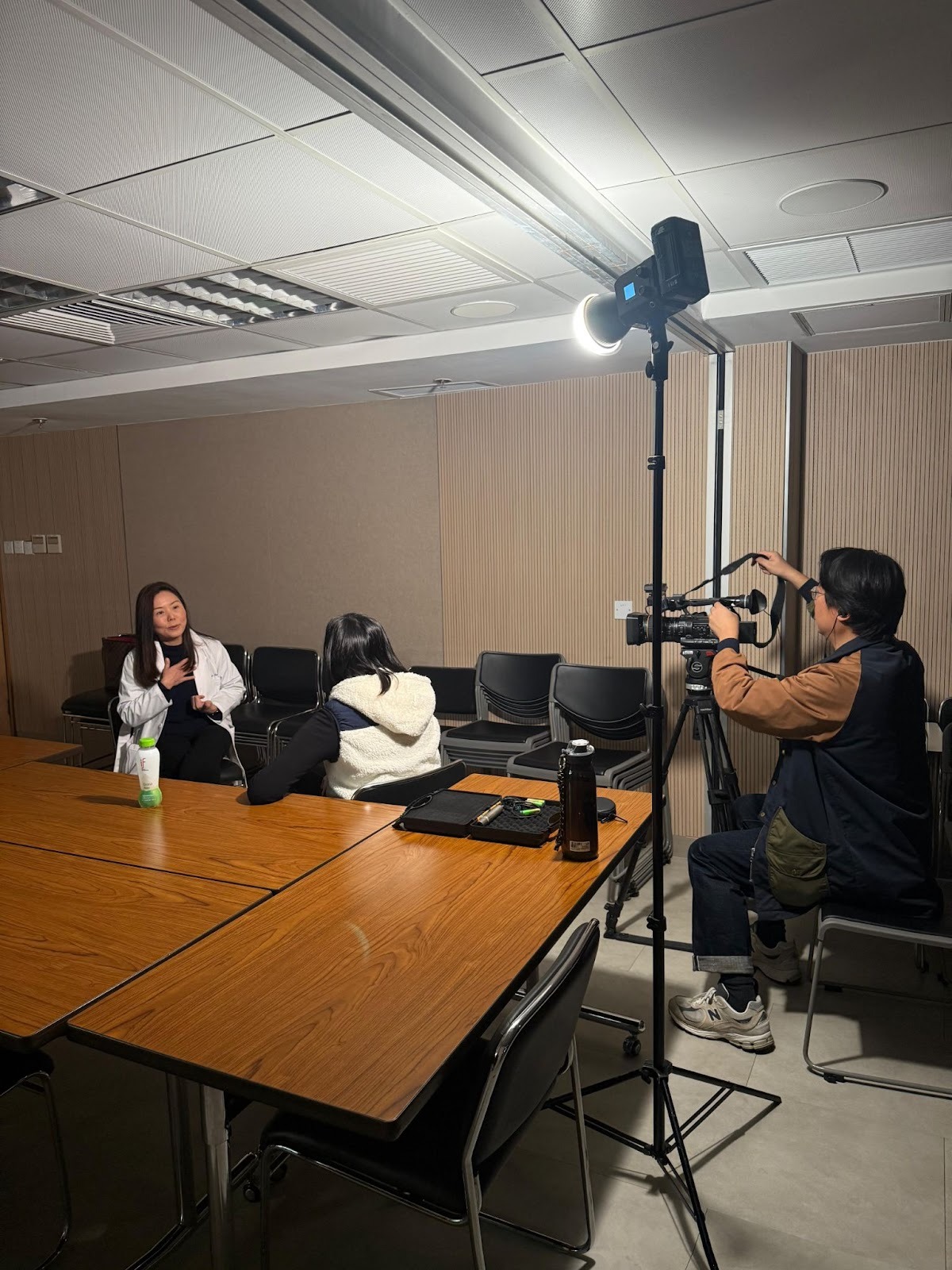
Professor Sandra Chan Sau-man of the Department of Psychiatry at The Chinese University of Hong Kong being interviewed for TVB’s Vital Lifeline

Dr Tik Chi-yuen, then Legislative Council member for the Social Welfare constituency
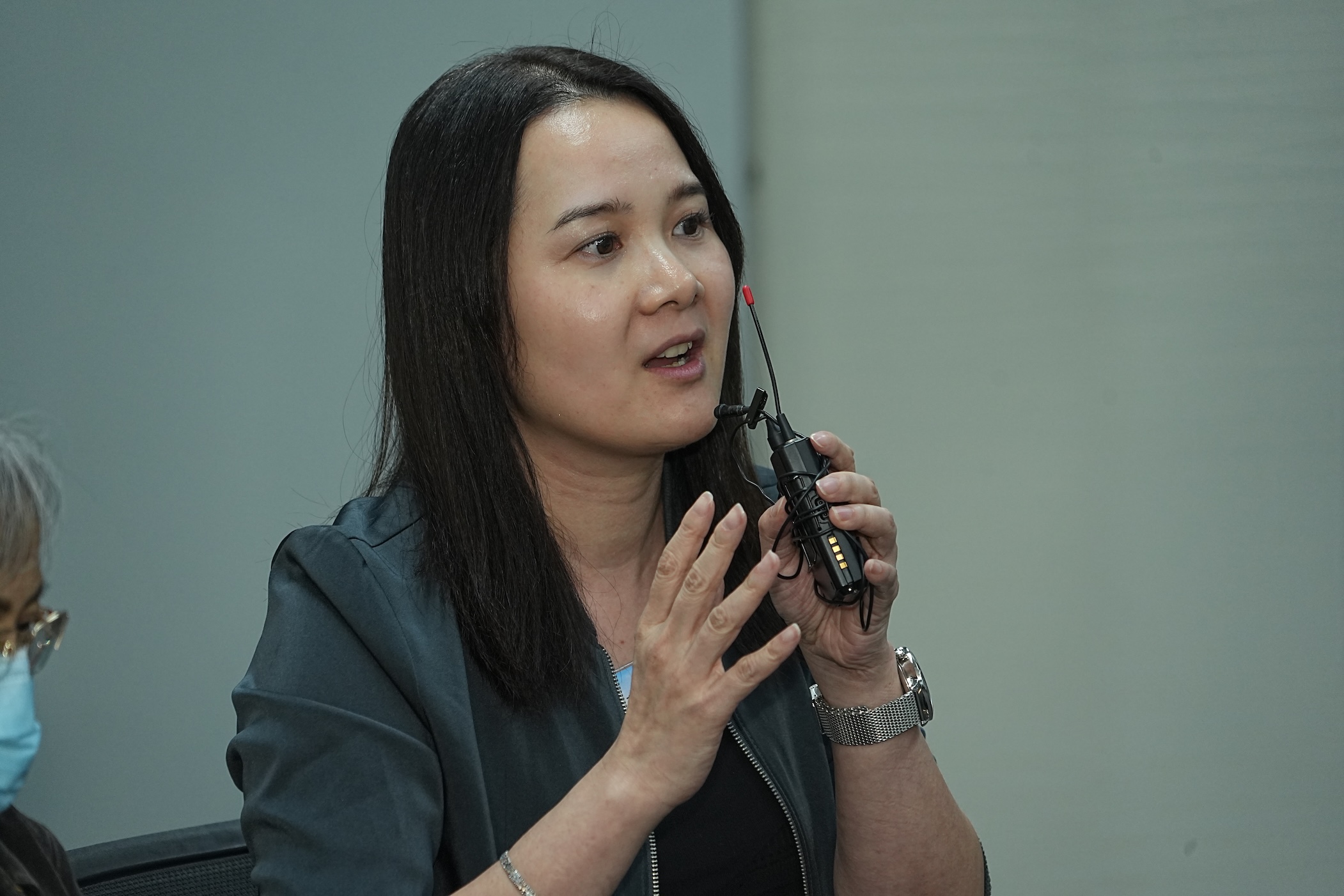
Ms Sou Ka-pou, Senior Manager and experienced social worker at Richmond Fellowship of Hong Kong
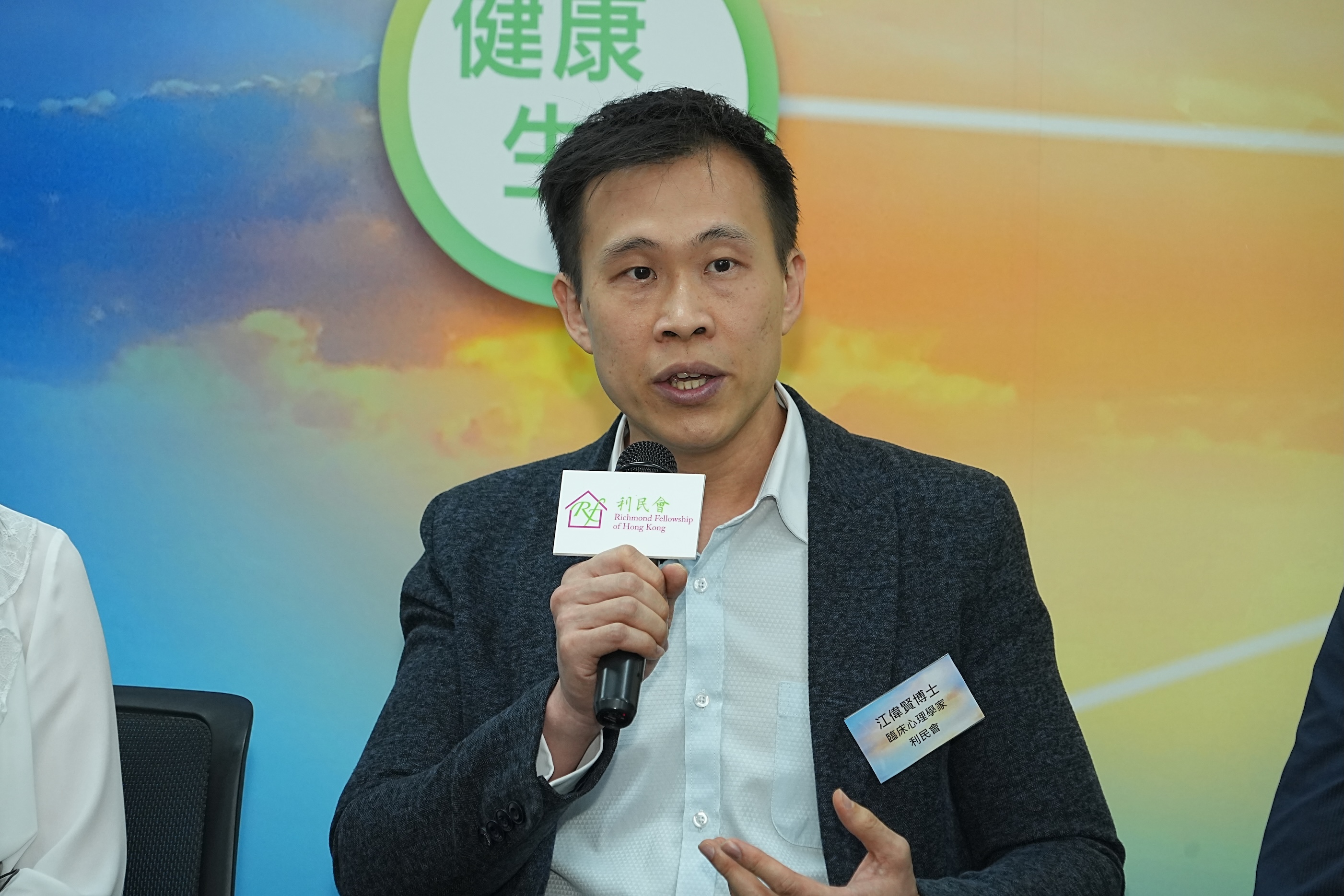
Dr Nelson Kong Wai-yin, Clinical Psychologist at Richmond Fellowship of Hong Kong